 Quranic Verses
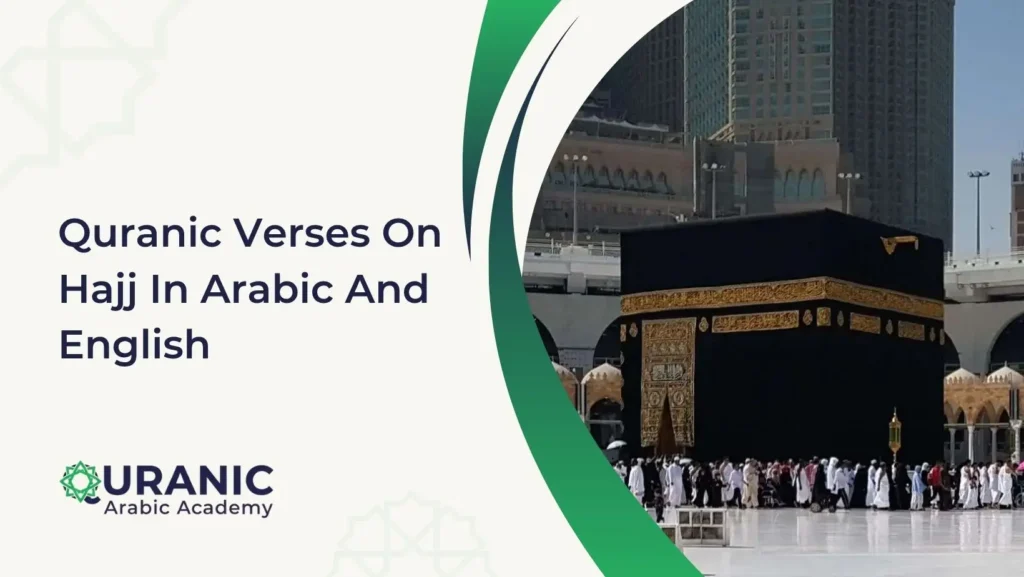
For many readers, the search for quranic verses on hajj in arabic begins with a simple need: to find the exact words Allah revealed about pilgrimage. But once these verses are read carefully, it becomes clear that they do more than mention a sacred journey. They define Hajj as an act of obedience, a season of discipline, a public response to Allah’s call, and a worship built on sincerity and reverence.
This guide gathers the most important Quranic verses on Hajj in Arabic and English, then explains each one in a way that serves real reader intent. The goal is to help the user not only collect verses, but also understand why each verse matters and how it shapes the meaning of Hajj in Islam.
Quran Verse About the Obligation of Hajj
Hajj is a sacred obligation that reflects submission to Allah and unity among believers. It reminds the heart that worship is both a duty and a journey of devotion, carried out by those who are able as an expression of faith and obedience.
Arabic:
وَلِلَّهِ عَلَى ٱلنَّاسِ حِجُّ ٱلْبَيْتِ مَنِ ٱسْتَطَاعَ إِلَيْهِ سَبِيلًا
English:
“Pilgrimage to this House is an obligation by Allah upon whoever is able among the people.”
This is one of the clearest Quranic verses about Hajj because it directly states that pilgrimage to the House is an obligation for those who are able. It establishes Hajj not as a cultural custom or symbolic event, but as a duty linked to ability and accountability before Allah.
Its practical meaning is especially important for readers seeking clarity about Hajj. Many people begin with a simple question: is Hajj explicitly commanded in the Qur’an? This verse answers that question clearly and directly. At the same time, the condition of ability shows that the command is firm, yet balanced with mercy and ease.
Ready to Begin Your Quranic Journey?
Start learning with professional instructors through our structured curriculum.
Book Your Free TrialQuranic Verse About Completing Hajj Sincerely for Allah
Hajj and ‘Umrah are acts of devotion that are meant to be completed with sincerity and full dedication to Allah alone. The Qur’an emphasizes that worship should be carried out with pure intention, seeking nothing but His pleasure and acceptance.
Arabic:
وَأَتِمُّوا ٱلْحَجَّ وَٱلْعُمْرَةَ لِلَّهِ
English:
“Complete the pilgrimage and minor pilgrimage for Allah.”
This verse moves from obligation to intention. It teaches that Hajj and ‘Umrah are to be completed for Allah, which places sincerity at the center of the journey. The wording is short, but its message is profound: the value of pilgrimage is inseparable from who it is done for.
A common mistake is to reduce Hajj to logistics, ritual sequence, or public identity. This verse corrects that tendency by reminding the believer that even the most sacred actions can lose depth when the heart is distracted from Allah. Guided Quran learning often helps readers notice how much meaning can be carried in only a few words.
Read also: Quranic Embryology With The Verses In The Quran
Quranic Verse on the Main Rules of Hajj
Hajj is a sacred journey defined by clear guidelines that teach discipline, self-restraint, and respect for the sanctity of worship. It reminds the believer that this act is not only physical travel, but also a spiritual state that requires patience, purity, and controlled behavior throughout its days.
Arabic:
ٱلْحَجُّ أَشْهُرٌ مَّعْلُومَاتٌ فَمَن فَرَضَ فِيهِنَّ ٱلْحَجَّ فَلَا رَفَثَ وَلَا فُسُوقَ وَلَا جِدَالَ فِي ٱلْحَجِّ
English:
“Hajj is in well-known months… there is no intimacy, no disobedience, and no disputing during Hajj.”
This is one of the most important Hajj verses in the Qur’an because it explains that pilgrimage is not only a set of rituals. It is also a season of moral discipline. The pilgrim is called to leave behind behavior that damages purity of worship, including indecency, sin, and pointless conflict.
For the reader, this means Hajj is a training ground for character. The verse teaches that sacred spaces and sacred times demand sacred conduct. Many learners struggle with this passage because they remember the legal prohibitions but miss the spiritual lesson: Hajj is meant to refine the believer, not merely move the body from one station to another.
Understand Quranic Verses on Hajj in Arabic with Confidence
If you’re exploring Hajj verses in Arabic, it’s important to move beyond simply reading the words to actually understanding their meaning. Many learners can recite these verses, but struggle to grasp what Allah is teaching about sacrifice, discipline, and taqwa. This is where structured learning makes a real difference, helping you connect directly with the message instead of relying only on translation.
The Online Quranic Arabic Classes for Adults at Quranic Arabic Academy are designed to guide you step by step toward that understanding. Through focused lessons on grammar, vocabulary, and Quranic patterns, you begin to recognize meanings within the verses themselves—especially powerful passages about Hajj. This transforms your reading into a deeper, more reflective experience where every verse carries clarity and purpose.
Start your journey with Quranic Arabic Academy today and understand Quranic verses on Hajj in Arabic with clarity and depth.
Read also: Can Arabs Understand Quran Arabic?
Quranic Verse About Taqwa as the Best Provision for Hajj
Hajj is a journey that goes beyond physical preparation, reminding the believer that true readiness comes from the heart. It emphasizes that the most valuable provision is inner awareness of Allah, which guides actions and preserves sincerity throughout worship.
Arabic:
وَتَزَوَّدُوا فَإِنَّ خَيْرَ ٱلزَّادِ ٱلتَّقْوَىٰ
English:
“Take provisions, but indeed, the best provision is taqwa.”
This part of the same verse is often quoted because it captures the inner spirit of Hajj in a single line. Pilgrims naturally prepare with money, travel plans, clothing, and supplies, but the Qur’an reminds them that the best thing they can carry is taqwa.
That is why this verse is so powerful in both teaching and reflection. It keeps the reader from thinking that readiness is only external. In real life, planning matters, but the Qur’an insists that the strongest preparation for Hajj is a heart shaped by awareness of Allah. Understanding that distinction is easier when Quranic Arabic is learned step by step rather than approached only through translation.
Shots Videos from Our Courses
Ready to Begin Your Quranic Journey?
Start learning with professional instructors through our structured curriculum.
Book Your Free TrialQuranic Verse on Allah’s Call to Hajj
Hajj represents a universal call that reaches the hearts of believers across all distances and backgrounds. It reflects the unity of worshippers responding to a divine invitation, coming together with sincerity and devotion from every place.
Arabic:
وَأَذِّن فِي ٱلنَّاسِ بِٱلْحَجِّ يَأْتُوكَ رِجَالًا وَعَلَىٰ كُلِّ ضَامِرٍ يَأْتِينَ مِن كُلِّ فَجٍّ عَمِيقٍ
English:
“And proclaim to the people the Hajj; they will come to you on foot and on every lean camel from every distant pass.”
Few verses capture the emotional force of Hajj like this one. It presents pilgrimage as a response to a divine call that reaches people across distance, hardship, geography, and time. The verse paints a global image of believers gathering from every path toward one sacred destination.
Its practical relevance goes beyond the pilgrim already on the road. It teaches every reader that true worship begins with answering Allah when He calls, whether that call is to Hajj, prayer, repentance, or deeper obedience. This is one of the reasons Hajj verses remain spiritually relevant even for Muslims who are not yet able to travel.
Read also: Quranic Cosmology – What the Quran Reveals About the Universe?
Quranic Verse About the Purpose and Benefits of Hajj
Hajj is a sacred journey that brings both spiritual and worldly benefits, drawing believers together in remembrance of Allah. It reflects moments of worship, reflection, and unity where hearts are connected through devotion and shared purpose.
Arabic:
لِّيَشْهَدُوا مَنَافِعَ لَهُمْ وَيَذْكُرُوا ٱسْمَ ٱللَّهِ فِي أَيَّامٍ مَّعْلُومَاتٍ
English:
“So they may obtain benefits for themselves and mention the name of Allah on appointed days.”
This verse is especially valuable because it explains that Hajj carries real benefits while keeping remembrance of Allah at its center. The Qur’an does not present pilgrimage as empty movement or symbolic form. It connects Hajj to remembrance, gratitude, and outcomes that benefit people in meaningful ways.
That balance matters for readers. Some reduce Hajj to personal spirituality alone, while others see only the visible rituals. This verse keeps both together. Hajj is spiritually transformative, but it also produces benefit in the life of the believer and in the wider Muslim community. Reading verses like this with understanding builds a more mature relationship with the Qur’an than memorizing fragments without context.
The Best Quranic Arabic Classes to Understand Hajj Verses
When exploring Hajj verses in Arabic, having access to the right learning method makes a major difference. Many people can read the verses, but understanding the deeper meanings behind words like taqwa, sacrifice, and discipline requires more than surface-level knowledge. Without structured guidance, these powerful verses may remain unclear or only partially understood.
That’s why The Best Quranic Arabic Classes at Quranic Arabic Academy focus on helping you go beyond reading into true comprehension. By learning grammar, morphology, and Quranic patterns in a practical way, you begin to recognize meanings directly from the text—especially in verses related to Hajj. This transforms your Quran reading into a more conscious and meaningful experience built on understanding, not just recitation.
Join Quranic Arabic Academy today and start understanding Quranic verses on Hajj in Arabic with clarity and depth.
Quranic Verse on the Sacred Rites of Hajj
Hajj is a journey marked by sacred rites that reflect purification, commitment, and devotion to Allah. It guides the believer through acts of worship that symbolize completion, sincerity, and deep spiritual connection with the House of Allah.
Arabic:
ثُمَّ لْيَقْضُوا تَفَثَهُمْ وَلْيُوفُوا نُذُورَهُمْ وَلْيَطَّوَّفُوا بِٱلْبَيْتِ ٱلْعَتِيقِ
English:
“Then let them groom themselves, fulfil their vows, and circle the Ancient House.”
This verse brings the reader into the practical completion of pilgrimage. It refers to purification, fulfillment of vows, and tawaf around the Ancient House, showing that Hajj is a worship of both inward devotion and outward completion.
The practical lesson is that worship in the Qur’an is never vague. It is expressed through acts that are carried out seriously and completed properly. A common mistake is to admire the beauty of Hajj as an idea while overlooking the fact that the Qur’an repeatedly ties devotion to faithful performance of sacred acts.
Ready to Begin Your Quranic Journey?
Start learning with professional instructors through our structured curriculum.
Book Your Free TrialQuranic Verse About Honoring Allah’s Symbols in Hajj
Hajj is a journey that teaches reverence for the sacred signs of Allah, reflecting how honor and respect in worship come from a sincere heart. It highlights that true devotion is rooted in inner consciousness of Allah, which shapes every act of reverence and obedience.
Arabic:
وَمَن يُعَظِّمْ شَعَائِرَ ٱللَّهِ فَإِنَّهَا مِن تَقْوَى ٱلْقُلُوبِ
English:
“Whoever honors the symbols of Allah, it is from the piety of hearts.”
This is one of the strongest Quranic statements about the inner meaning of sacred rites. The verse teaches that honoring Allah’s symbols is not empty ceremony. It is a sign that reverence has taken root in the heart.
For readers interested in Hajj, this verse gives a powerful interpretive key. The rites are not important merely because they are visible; they are important because they reflect a heart that recognizes what Allah has made sacred. That insight also explains why even beginners benefit from learning the Qur’an slowly and carefully. Small steps in understanding can make familiar verses feel newly alive.
Quranic Verse About the True Meaning of Sacrifice in Hajj
Hajj teaches that the essence of sacrifice is not found in outward form, but in the sincerity of the heart and its devotion to Allah. It reminds the believer that what truly reaches Allah is inner consciousness and genuine faith, not the physical act alone.
Arabic:
لَن يَنَالَ ٱللَّهَ لُحُومُهَا وَلَا دِمَاؤُهَا وَلَـٰكِن يَنَالُهُ ٱلتَّقْوَىٰ مِنكُمْ
English:
“Neither their meat nor blood reaches Allah. Rather, it is your piety that reaches Him.”
This verse is one of the clearest summaries of the Quranic understanding of sacrifice. It corrects any superficial reading of ritual by declaring that what truly matters is not the outward substance of the offering, but the taqwa that accompanies it.
Its relevance goes beyond sacrifice itself. It teaches a principle that applies to all acts of worship: the outer act only has true value when the heart is present. That is why this verse deserves a place in any serious discussion of Hajj. It does not simply describe a ritual—it explains its deeper spiritual purpose.
What Is the Spiritual Significance of Reading Quranic Verses About Hajj?
Reading these verses in both Arabic and English helps the reader connect meaning with language, allowing a deeper appreciation of how the Qur’an describes the pilgrimage. It reveals the spiritual foundations of Hajj, including sincerity, obedience, and remembrance of Allah, while also making the message accessible for reflection and understanding.
How Can You Build a Consistent Habit of Studying Quranic Verses on Hajj?
A consistent habit can be built by dedicating a small, regular time each day or week to read selected verses with translation and reflection. Linking the reading to the Hajj season, study of rituals, or post-prayer reflection helps maintain focus and continuity, turning learning into a gradual and meaningful spiritual journey.
Read Also: 50 Quranic Verses And Quotes
Our Students Reviews
Ready to Begin Your Quranic Journey?
Start learning with professional instructors through our structured curriculum.
Book Your Free TrialWhy quranic arabic academy Helps You Start Quran Reading on Hajj Verses with Confidence?
- The academy presents itself as a dedicated platform for teaching Quranic Arabic to both kids and adults worldwide.
- Its beginner course is described as a foundation for grammar, vocabulary knowledge, and Quran reading skills.
- Its adult classes are positioned to help learners move from simply reading the Qur’an to understanding it more deeply.
- Its grammar-focused learning path supports readers who want to analyze Quranic structure more accurately.
- It also offers additional paths for sisters and advanced learners who want to continue beyond the basics.
Start your journey today with Quranic Arabic Academy and gain the skills to read and truly understand Hajj verses with confidence.
Check out our top courses to start learning Quranic Arabic today:
- Quranic Arabic Grammar Course
- Arabic Courses for Understanding the Quran
- Quranic Arabic for Beginners
- Online Quranic Arabic Classes for Adults
- Quranic Arabic Course for Kids
- Quranic Arabic Course for Sisters
- Online Quranic Arabic Courses for Advanced Learners
Your first class is completely free. Start Learning Quranic Arabic courses Today.
Ready to Begin Your Quranic Journey?
Start learning with professional instructors through our structured curriculum.
Book Your Free TrialConclusion
The most important Hajj verses in Arabic do not simply tell the reader that Hajj exists. They explain what Hajj is meant to produce: obedience, discipline, remembrance, reverence, and piety. From the obligation of pilgrimage in 3:97 to the inner meaning of sacrifice in 22:37, the Qur’an presents Hajj as both a sacred journey and a purification of the heart.
For that reason, reading these verses in Arabic and English is more than an informational exercise. It is a way to reconnect the rites of Hajj with their Quranic meaning. And for anyone beginning that journey, even a small step in learning the Qur’an can open the door to a much deeper understanding over time.
FAQ
What is the clearest Quranic verse about the obligation of Hajj?
Surah Ali ‘Imran 3:97 is one of the clearest verses because it explicitly states that pilgrimage to the House is an obligation upon those who are able.
Which surahs contain the main Quranic verses on Hajj?
The main Hajj passages appear in Surah Al-Baqarah, Surah Ali ‘Imran, and Surah Al-Hajj.
Why are Quranic verses on Hajj important beyond the rituals?
Because they explain the inner purpose of pilgrimage, including sincerity, discipline, reverence, remembrance, and taqwa.
Can Beginners Study Hajj Verses in Arabic?
Yes. Structured beginner learning and repeated reading of short passages can help non-native readers understand more over time.
Which Hajj verse is best for reflection on sincerity?
Surah Al-Hajj 22:37 is especially powerful because it teaches that what reaches Allah is not the outward form of sacrifice, but the taqwa behind it.
Related Articles
Quranic Verses





Leave a Reply